
Top 10 Behavioral Interview Questions and How to Answer Them

Written by
Atikur Rahman
9 min read
2 weeks ago

In today’s competitive job market, nailing an interview is more important than ever. Employers are increasingly using behavioral interview questions to evaluate a candidate’s skills, problem-solving abilities, and cultural fit.
Unlike traditional questions that focus on qualifications and work experience, behavioral questions dig deeper. They ask how candidates have handled specific situations in the past to predict future performance.
In this article, we will explain what behavioral interview questions are, why employers rely on them, and how you can answer them effectively using the STAR method. We’ll also share the top 10 behavioral interview questions with sample answers, tailored to fit different industries.
What Are Behavioral Interview Questions And Why Employers Ask Them?
Behavioral interview questions are designed to assess how you’ve handled specific situations in the past. The idea is simple: your past actions are a strong predictor of how you’ll behave in similar circumstances at work.
Employers ask behavioral questions to understand your experience, skills, and problem-solving abilities. They also want to evaluate how well you interact with others and whether you align with their company culture. By preparing for these questions, you can highlight your qualifications and show how you approach challenges and decision-making.
The STAR Method: A Framework for Answering Behavioral Questions
The STAR method is a simple and effective way to prepare for behavioral and situational interview questions. STAR stands for Situation, Task, Action, and Result. Hiring managers use these questions to evaluate if you’re the right fit for a role. By using real-life examples, the STAR method helps you deliver clear, concise, and structured answers.
The STAR method allows you to share a well-organized story with a clear conflict and resolution. Each step of the STAR method guides you through crafting a strong response:
Situation
Start by providing context for your story. Describe a specific situation or challenge you faced. Briefly mention two or three key details, such as volunteer work, school projects, or relevant job experiences. Keep this section brief since interviewers care most about your actions and results.
Task
Explain your role in the situation. What responsibility or task were you given? Focus on one or two key aspects of what was expected of you. Like the Situation step, this section should be concise.
Action
Describe the steps you took to handle the situation or overcome the challenge. Highlight the most important actions you performed to succeed. Use “I” instead of “we” to emphasize your individual contributions, even if you worked in a team. This is the most important part of your answer, so provide detailed and specific examples.
Result
Finally, share the outcome of your actions. What were the key results? Discuss two or three main outcomes, lessons learned, or skills you gained. If possible, include specific achievements or measurable results. Spend slightly less time here than in the Action section, but make sure your results are impactful.
Top 10 Commonly Asked Behavioral Interview Questions
Below are the top 10 behavioral interview questions, along with sample answers to help you prepare. These examples are meant to guide your thinking. Be sure to create your responses to your own experiences and the specific context of the job interview.
1. How Do You Solve Problems at Work?
This question allows employers to understand how you approach challenges and solve problems on your own. They also use it to evaluate how you adapt to difficult situations and address significant workplace issues.
Example Answer:
"As a mechanical engineer, I often deal with challenges like shifting deadlines, equipment breakdowns, and safety concerns. My first step is always to identify all the factors contributing to the problem. For example, last month, I discovered a design flaw in the air conditioning system plans I was working on. I documented the issue and brought it to the attention of the drafting team. By working collaboratively, we quickly created revised designs, which helped us meet the project deadline without compromising quality."
2. Describe a Time You Had to Make a Tough Decision.
Employers often ask this to evaluate your decision-making abilities, particularly if you’re applying for a leadership role. It’s a chance to demonstrate your critical thinking and how you make sound decisions under pressure.
Example Answer:
"In my role as an assistant manager, I needed to select one team member for a promotion to sales lead. It was a tough choice because several individuals were highly qualified and motivated. I reviewed performance metrics, analyzed evaluations, and carefully considered the team’s overall needs. Once I made my decision, I met with each candidate privately to explain my reasoning before announcing it to the team. This approach helped maintain transparency, minimized tension, and preserved team morale."
3. Tell Me About a Time You Weren’t Successful.
This question helps employers see how you handle failure and setbacks. Instead of focusing on the failure itself, use your answer to highlight what you learned and how you improved.
Example Answer:
"As a product developer, I helped launch a new software program. Unfortunately, sales dropped significantly in the first month. After reaching out to customers, we discovered that the program was difficult to use. My team and I made updates based on their feedback and released a new version. The changes led to a significant sales increase, doubling our revenue. This experience taught me the importance of listening to user feedback and addressing potential issues early on."
4. How Do You Handle Tight Deadlines or High-Pressure Situations?
Employers want to know how you perform in high-stress situations. Use this opportunity to show your ability to adapt and stay productive under pressure.
Example Answer:
"When I was working as an engineer, my manager informed me that a product deadline had been shortened by two days. I quickly met with my team to reorganize our schedules and focus entirely on completing the project. We worked together to reprioritize tasks and adjusted our workflow to stay on track. By staying focused and collaborating, we successfully met the revised deadline without compromising the quality of the product."
5. Describe a Time You Took on a Task Without Proper Training.
This question helps interviewers assess your ability to handle uncertainty and solve problems when stepping into new challenges.
Example Answer:
"While working at PhiBeta Software, the company transitioned from Visual Basic to Java. I didn’t have prior experience with Java, but I was determined to keep up. I enrolled in a Java course at my local community college and studied programming books to build my skills. Within weeks, I was able to contribute to transitioning our existing codebase to Java, helping my team complete the transition smoothly and efficiently."
6. Share an Example of Inspiring Your Team Using Leadership Skills.
This question is often asked for leadership roles. Employers want to see how you’ve motivated others and improved team performance in the past.
Example Answer:
"Two years ago, my company, Yan Inc., went through a merger that affected team morale. Productivity dropped as employees adjusted to new management and tasks. I took the initiative to organize weekly training sessions to help the team develop new skills and adapt to their responsibilities. As a result of this effort, team morale improved, and productivity increased by 37% over six months. This experience reinforced the importance of empowering others through leadership."
7. How Do You Manage Competing Priorities?
This question is common for roles that involve multitasking. Employers want to understand how you organize your workload and adapt to shifting priorities.
Example Answer:
"As a copywriter, I was assigned a high-priority long-form essay for a major publication while maintaining my daily responsibilities. Knowing the essay required extra attention, I reorganized my schedule to focus on it during the day while completing smaller tasks in the evening. By effectively managing my time, I delivered the essay on time while ensuring all my other tasks were completed without delay."
8. Tell Me About a Time You Failed at a Task. What Did You Learn?
This question is meant to gauge your self-awareness and willingness to improve. Use it to show that you can learn from your mistakes and grow professionally.
Example Answer:
"My team was preparing a sales presentation for a multi-million-dollar contract. I rushed my section and submitted it with errors, which hurt our chances of winning. After that experience, I realized the importance of prioritizing complex tasks. I started using a planner to organize my workload and ensure I had enough time for critical projects. This change allowed me to deliver stronger presentations in the future, and we won our next major contract."
9. Describe a Time You Led a Project.
Employers ask this to see how you’ve taken initiative and demonstrated leadership, even if you’re not in a formal leadership role.
Example Answer:
"I was responsible for organizing catering for my workplace’s Christmas party. After receiving feedback that there weren’t enough food options, I adjusted my approach the following year. I surveyed colleagues to gather preferences and ordered smaller quantities from five restaurants to provide more variety. The event was a success, and I learned the importance of listening to feedback and planning based on people’s needs."
10. Tell Me About a Time You Resolved an Interpersonal Conflict.
This question helps employers assess your communication and conflict-resolution skills. Focus on how you addressed the issue and what you learned.
Example Answer:
"As a consultant, I once miscommunicated with a client by failing to set clear expectations for a project. This led to frustration on their end. I resolved the issue by providing weekly updates and ensuring we clarified goals moving forward. This regained the client’s trust and helped me develop a better approach to managing expectations on future projects."
Tips for Adapting Your Answers to Align with Company Culture and Job Role
Customizing your responses to fit the job position and company culture is essential in a behavioral interview. Tailored answers show that you’ve done your research and understand what the employer values. Here are some tips to help you effectively adapt your answers:
1. Research the Company
Before your interview, learn about the company’s mission, values, and workplace culture. Check their website, social media, and recent news to understand their priorities. Use this information to choose examples that reflect the qualities they value.
If the company emphasizes innovation, share a story that demonstrates your creativity. If teamwork is a priority, highlight collaborative achievements.
2. Use Industry-Specific Examples
Choose examples that showcase your knowledge of the industry. Incorporating relevant terminology and experiences demonstrates that you’re familiar with the field and understand its unique challenges.
Suppose you’re in healthcare. You can mention how you improved patient outcomes or maintained compliance with regulations. If you’re in tech, discuss projects where you used specific tools or programming languages.
3. Focus on Relevant Skills
Study the job description carefully and identify the key skills the employer is seeking. Highlight those skills in your responses to demonstrate that you’re well-suited for the position.
For example, if the role requires problem-solving, discuss a time when you overcame a major challenge. Focusing on relevant skills ensures your answers align with the role’s requirements.
4. Quantify Your Achievements
Whenever possible, back up your answers with measurable results. Numbers and data make your accomplishments more credible and tangible.
Instead of saying, “I improved efficiency,” you could say, “I streamlined a process that reduced production time by 15%, saving the team 10 hours per week.”
5. Practice with the STAR Method
The STAR method—Situation, Task, Action, Result—helps structure your responses clearly. Practice using this format to ensure your answers are concise and impactful.
For instance:
“When faced with a tight deadline last year (Situation), I was responsible for delivering a key project on time (Task). I reorganized my team’s workload, prioritized tasks, and held daily check-ins to track progress (Action). As a result, we met the deadline, and the client praised our work (Result).”
6. Be Authentic
Authenticity is key. Choose examples that genuinely reflect your experiences and personality. Employers value honesty and want to see how your real-life actions align with their needs. If you’re sharing a story about overcoming failure, focus on what you learned and how you’ve grown.
Conclusion
Mastering behavioral interview questions is vital to your success in the job market. By understanding what these questions are and preparing your answers using the STAR method, you can present yourself in the best light possible. Remember, each question is an opportunity to showcase your skills, experiences, and how you can contribute to a potential employer.
If you need further assistance in preparing for your interview, consider exploring CVBox.AI. We offer a range of CV and cover letter templates tailored to various industries. Also, our AI tools allow you to generate customized templates that reflect your unique qualifications.
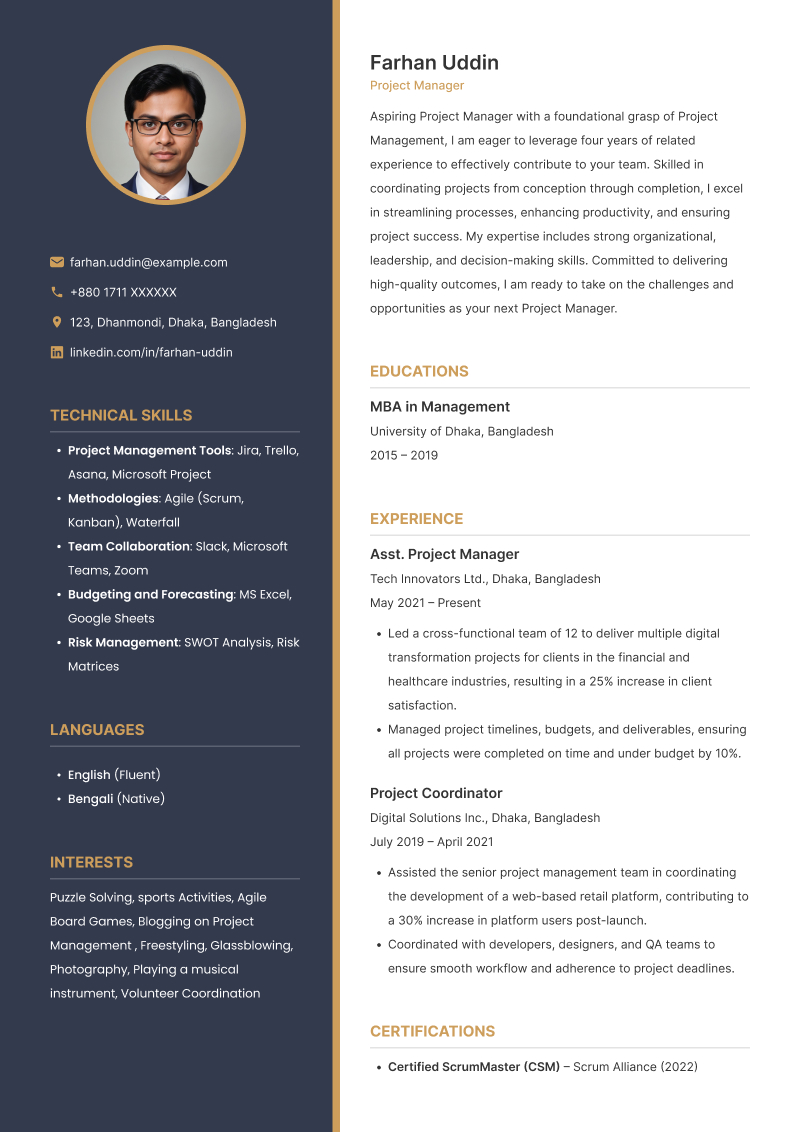
Create Your Job Winning Resume
Just click here to Make Your FREE Customized Resume in Minutes and check the difference.